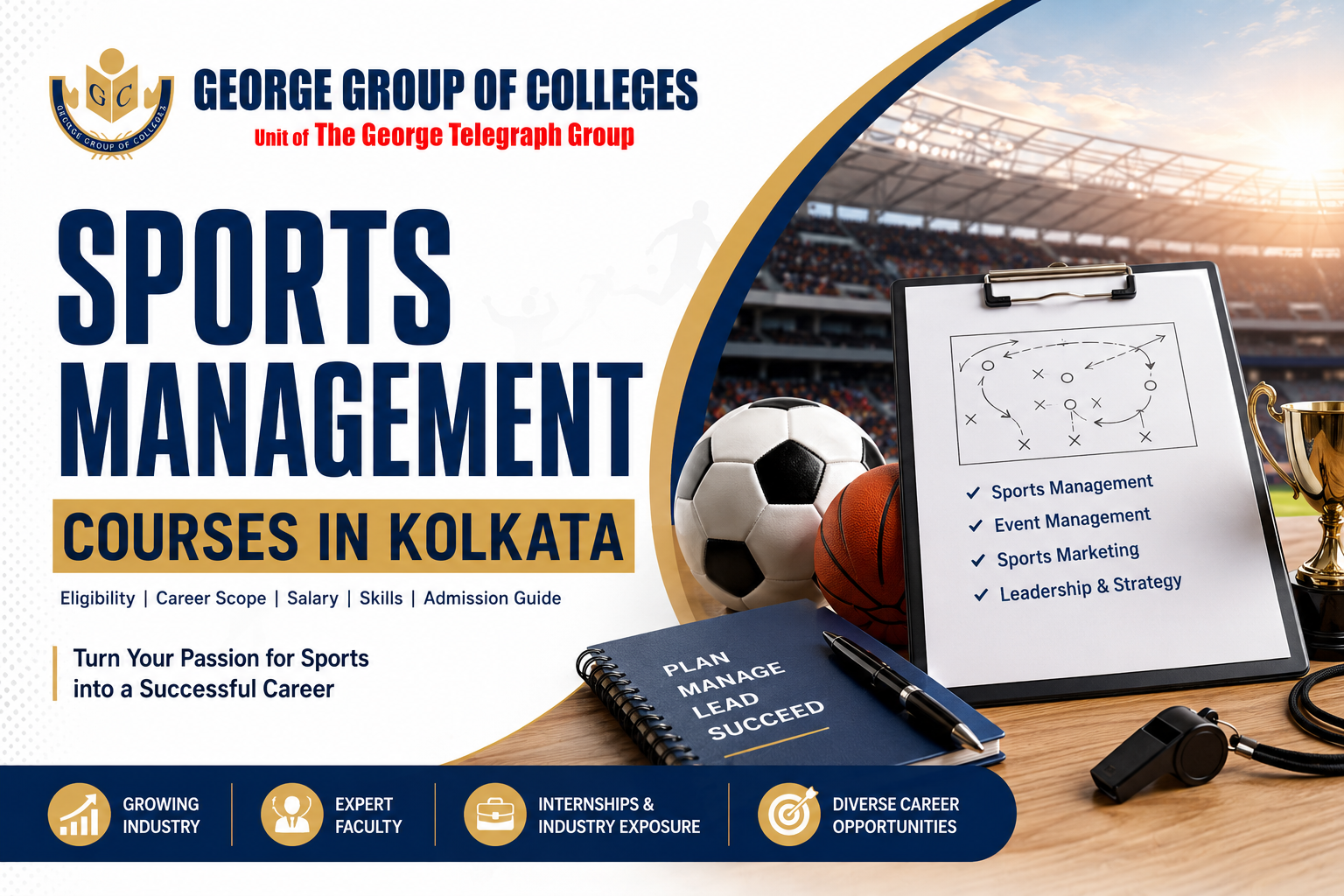
Sports Management Courses in Kolkata: Build a Career Beyond the Playing Field
The Indian sports industry has transformed dramatically over the past decade. From professional cricket leagues and football tournaments to marathon events, esports, sports analytics, fitness businesses, and sports marketing agencies, the demand for skilled professionals behind the scenes is growing every year.
While athletes remain the face of sports, professionals working in sports management are responsible for planning events, managing teams, handling sponsorships, marketing tournaments, overseeing operations, engaging fans, and ensuring that sporting organizations function efficiently.
If you are passionate about sports but don’t necessarily want to become a professional athlete, enrolling in one of the best Sports Management Courses in Kolkata can open doors to an exciting and rewarding career.
This guide explains everything you need to know, including eligibility, curriculum, career opportunities, salary expectations, essential skills, and how to choose the right college.
What is Sports Management?
Sports Management is the study of managing the business side of sports. It combines principles of business administration, marketing, finance, event management, communication, leadership, and sports science to prepare professionals who can manage sporting organizations efficiently.
Sports management professionals work with:
- Professional sports teams
- Sports leagues
- Event management companies
- Fitness brands
- Sports academies
- Government sports bodies
- Media companies
- Sports equipment manufacturers
- Sports marketing agencies
- Athlete management firms
Their responsibilities extend far beyond organizing matches. They help create memorable experiences for athletes, fans, sponsors, broadcasters, and stakeholders.
Why is Sports Management Becoming a Popular Career?
India’s sports ecosystem is expanding rapidly.
The success of tournaments such as the IPL, Pro Kabaddi League, Indian Super League, Women’s Premier League, badminton leagues, marathons, and international sporting events has created significant demand for trained professionals.
Growth drivers include:
- Increased investment in sports infrastructure
- Rising sponsorship spending
- Expansion of sports broadcasting
- Growth of sports startups
- Higher participation in fitness and recreational sports
- Government initiatives promoting sports
- Growing demand for sports marketing professionals
As the industry grows, organizations require graduates with both business knowledge and an understanding of sports operations.
Why Choose Sports Management Courses in Kolkata?
Kolkata has long been recognized as one of India’s most passionate sporting cities. Football, cricket, athletics, and traditional sports have deep roots in the city’s culture.
This makes Kolkata an ideal place to pursue sports management education.
Some advantages include:
- Exposure to major sporting events
- Access to sports clubs and academies
- Internship opportunities
- Industry networking
- Experienced faculty
- Affordable education compared to many metropolitan cities
- Strong academic ecosystem
Students studying in Kolkata benefit from both classroom learning and practical industry exposure.
Who Should Pursue Sports Management?
Sports management is suitable for students who enjoy sports and have strong organizational and communication skills.
You should consider this field if you enjoy:
- Sports business
- Event planning
- Marketing
- Leadership
- Team management
- Brand promotions
- Public relations
- Working with athletes
- Business strategy
It is an excellent career option for students who want to combine their passion for sports with professional management skills.
Eligibility for Sports Management Courses in Kolkata
Eligibility requirements vary depending on the institution and program.
Generally, candidates should:
- Complete Class 12 from a recognized board
- Meet the minimum qualifying marks specified by the institution
- Participate in the admission process, if applicable
Students from Science, Commerce, and Arts backgrounds can pursue sports management.
What Will You Learn During a Sports Management Course?
A well-designed sports management curriculum combines theory with practical learning.
Subjects generally include:
Sports Marketing
Learn how sports brands attract audiences, build sponsorships, and promote sporting events.
Event Management
Understand planning, budgeting, logistics, venue management, and execution of sports events.
Sports Finance
Study budgeting, revenue generation, sponsorship, ticketing, and financial planning.
Sports Law
Gain an understanding of contracts, compliance, athlete rights, and legal aspects of sports organizations.
Sports Analytics
Learn how data supports player performance, fan engagement, and business decision-making.
Digital Marketing
Understand social media, online campaigns, influencer marketing, and fan engagement strategies.
Leadership and Team Management
Develop interpersonal, communication, and organizational skills required to manage teams effectively.
Practical Learning Matters
Sports management cannot be learned only through textbooks.
Students benefit significantly from:
- Industry workshops
- Sports event participation
- Live projects
- Internships
- Case studies
- Guest lectures from industry professionals
- Team assignments
Practical exposure helps students understand real-world challenges while building confidence and professional networks.
Skills Required to Build a Successful Career
Successful sports managers possess a combination of technical knowledge and interpersonal abilities.
Important skills include:
- Leadership
- Communication
- Problem-solving
- Time management
- Event planning
- Negotiation
- Financial awareness
- Digital marketing
- Decision-making
- Public relations
- Strategic thinking
- Team coordination
Developing these skills during college prepares students for dynamic roles in the sports industry.
Career Opportunities After Sports Management
Graduates can pursue diverse career paths across the sports ecosystem.
Popular roles include:
Sports Manager
Coordinate sporting organizations, teams, and operational activities.
Event Manager
Plan and execute tournaments, leagues, marathons, and sporting events.
Sports Marketing Executive
Manage campaigns, sponsorship activation, and brand promotions.
Athlete Manager
Handle endorsements, schedules, media interactions, and professional opportunities for athletes.
Sponsorship Manager
Build relationships between brands and sporting organizations.
Sports Operations Executive
Ensure smooth coordination during sporting events and competitions.
Facility Manager
Manage stadiums, sports complexes, and training centers.
Sports Analyst
Interpret performance data to support teams and organizations.
Public Relations Executive
Maintain communication with media, athletes, and fans.
Industries That Hire Sports Management Graduates
Career opportunities extend across multiple industries.
Potential employers include:
- Sports leagues
- Cricket franchises
- Football clubs
- Sports academies
- Event management companies
- Fitness organizations
- Sports broadcasters
- Marketing agencies
- Sports equipment companies
- Government sports departments
- Educational institutions
- Athlete management firms
Salary After Completing Sports Management
Salary depends on experience, employer, location, skills, and job profile.
Fresh graduates generally begin with entry-level positions and can grow steadily with experience.
Professionals who develop expertise in sponsorship management, digital marketing, analytics, event operations, or athlete management often experience faster career progression.
Continuous learning, internships, certifications, and networking significantly improve long-term earning potential.
Why Practical Exposure Makes a Difference
Employers increasingly prefer graduates who have practical experience.
Participating in live sporting events helps students:
- Understand event logistics
- Work with professional teams
- Improve communication
- Build industry contacts
- Develop confidence
- Learn crisis management
- Strengthen leadership abilities
Hands-on experience often becomes a major advantage during placements.
Choosing the Right Sports Management College
Before selecting a college, consider the following:
Industry-Oriented Curriculum
The syllabus should reflect current industry practices.
Experienced Faculty
Faculty with academic and industry expertise provide valuable insights.
Internship Opportunities
Industry exposure enhances practical learning.
Infrastructure
Sports facilities, classrooms, technology, and learning resources contribute to the student experience.
Placement Support
Career guidance and placement assistance can help students transition into professional roles.
Industry Connections
Partnerships with sports organizations can create valuable networking opportunities.
Why Consider George College for Sports Management?
When exploring Sports Management Courses in Kolkata, it is important to choose an institution that emphasizes both academic learning and industry readiness.
George College offers a sports management program designed to combine business education with practical exposure to the sports industry. Students are introduced to areas such as sports marketing, event management, leadership, communication, and management principles while gaining opportunities to apply their learning through practical experiences.
For detailed information about eligibility, curriculum, admission, and the program structure, visit the official course page:
https://www.georgecollege.org/sports-management-course
Future Scope of Sports Management in India
The future of sports management looks promising.
The increasing commercialization of sports has expanded career opportunities beyond traditional roles.
Emerging areas include:
- Sports technology
- Esports management
- Sports analytics
- Athlete branding
- Digital fan engagement
- Sports tourism
- Women’s sports management
- Grassroots sports development
- High-performance management
- Sports entrepreneurship
As India’s sports ecosystem continues to grow, trained professionals will play a vital role in managing organizations efficiently.
Frequently Asked Questions
Is Sports Management a good career?
Yes. Sports management offers diverse career opportunities across sports organizations, marketing agencies, event companies, and professional leagues.
Who can apply for Sports Management Courses in Kolkata?
Students who have completed Class 12 from a recognized board are generally eligible, subject to the admission requirements of the institution.
Do I need to be a professional athlete?
No. Many successful sports management professionals come from non-athletic backgrounds but have strong business, communication, and leadership skills.
What skills are important in sports management?
Communication, leadership, teamwork, organization, strategic thinking, marketing knowledge, and problem-solving are highly valuable.
Are internships important?
Yes. Internships provide practical exposure, industry networking, and valuable experience that employers often seek.
Conclusion
The sports industry today offers opportunities far beyond the playing field. From organizing international tournaments and managing athletes to building sports brands and creating memorable fan experiences, sports management professionals contribute to every aspect of the industry.
Choosing the right Sports Management Courses in Kolkata is the first step toward building a rewarding career in this dynamic sector. A program that combines academic knowledge with practical learning can help students develop the confidence and professional skills needed to succeed.
If you are ready to explore a career where your passion for sports meets business, leadership, and innovation, learn more about the Sports Management program offered by George College by visiting: